
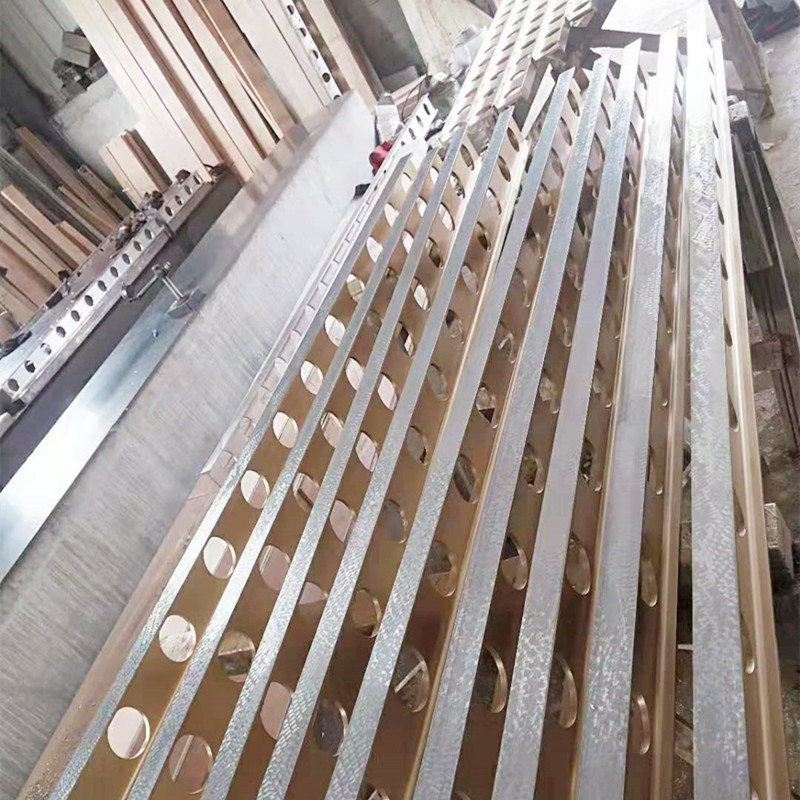
glass toughening
Understanding Micrometer Tools Precision Measuring Instruments Micrometer tools, often referred to as micrometers, are essential precision measuring instruments that play a crucial role in various engineering and manufacturing processes. These devices are designed to measure objects with outstanding accuracy, typically to the nearest thousandth of a millimeter or the ten-thousandth of an inch. This article delves into the workings, types, applications, and significance of micrometer tools in today's technology-driven world. What is a Micrometer? A micrometer is a device used to measure small distances or thicknesses with high precision. The name micrometer is derived from the Greek words micron, meaning small, and metron, meaning measure. Micrometers typically consist of a U-shaped frame, a calibrated screw, and a movable spindle. The measurement is made by placing the object between the anvil and the spindle, then rotating the screw to close the gap until it gently touches the object. The measurement is read on a scale, which is usually found on the sleeve and thimble of the micrometer. Types of Micrometers 1. Outside Micrometers Commonly used to measure external dimensions such as the diameter of a rod, the thickness of a sheet, or the width of a part. They feature a C shape with a fixed anvil and a movable spindle. 2. Inside Micrometers Designed for measuring internal dimensions, such as the diameter of a hole or the width of a groove. These micrometers typically come in the form of a rod with adjustable ends that can expand outwards. 3. Depth Micrometers These instruments measure the depth of holes, slots, or any other recess . They usually have a long shaft with a measuring blade extending from it. 4. Digital Micrometers Equipped with an electronic display, these offer easier reading and often include additional features like data storage and the ability to switch between measurement units. micrometer tools 5. Calipers Although not technically a micrometer, calipers are often compared due to their measuring function. They can measure both internal and external dimensions and are available in digital and analog forms. Applications of Micrometer Tools Micrometers are widely used in various fields, including - Manufacturing Precision machining and manufacturing processes require exact measurements to ensure parts fit together correctly. - Engineering Engineers rely on micrometers for component design, quality control, and testing. - Automotive In automotive engineering, micrometers can measure components such as engine parts and fittings to ensure they meet specifications. - Aerospace The aerospace industry demands the highest standards of precision, making micrometers vital in ensuring that each component meets stringent safety and performance measures. - Education Educational institutions often use micrometers in labs and practical demonstrations to teach students about precision measurement and quality assurance. Importance of Precision Measurement The significance of precision measurement cannot be overstated. In any engineering or manufacturing context, even the slightest error in measurement can lead to major failures or malfunctions. Therefore, micrometers provide engineers and machinists with the ability to ensure that components meet exacting specifications. This leads to enhanced safety, improved functionality, and reduced waste, ultimately contributing to better overall product quality. Furthermore, the advent of digital micrometers has revolutionized the measurement process by reducing the chances of human error associated with reading scales mechanically. The incorporation of technology into precision tools has streamlined processes and increased efficiency in various industries. Conclusion In conclusion, micrometer tools are indispensable in the realm of precise measurement. Their ability to achieve high accuracy makes them a cornerstone in manufacturing, engineering, and other technical disciplines. Whether it's the traditional analog models or the latest digital variants, micrometers ensure that exact measurements contribute significantly to product quality and reliability. Understanding and properly utilizing these tools is essential for professionals in any field where precision is paramount. As technology continues to advance, the role of micrometers will undoubtedly evolve, but their importance in the measurement landscape will remain steadfast.
about
glass toughening
In industrial and infrastructure projects, the proper installation of control valves is not only crucial for system functionality but also for ensuring safety. Control valves , including flow control valves and pressure control valves , from Storaen (Cangzhou) International Trading Co. are essential components in various fluid management systems. Multifunctional Pump Control Valve Specifications Table Parameter Details Component Composition Consists of main valve, regulating valve, and receiver system Valve Body Structure Adopts DC type valve body Main Valve Control Chamber Diaphragm type or piston type double control chamber structure Control Chamber Feature One additional control chamber compared to general hydraulic control valves , enhancing main valve control functions Realized Functions Enables slow opening, full opening, slow closing, and stopping at pump outlet, achieving multifunctional control Application Scenarios Used in high-rise building water supply systems and other water supply system pump outlet pipelines Key Roles Prevents and attenuates water hammer during pump start and stop, prevents water backflow to protect the pump, maintains pipeline safety Technological Evolution Replaces manual valves with hydraulic and electric valves, emerging new types like slow-opening and slow-closing backstop valves for automation and reliability improvement General Safety Precautions for Control Valve Installation Before starting the installation of control valves from Storaen (Cangzhou) International Trading Co., it is essential to thoroughly review the installation manual. Familiarize yourself with the specific requirements and guidelines for the particular valve model to ensure correct installation. Ensure that all installation tools are in good working condition and appropriate for the task. Damaged or incorrect tools can lead to installation errors and potential safety hazards. It is crucial to isolate the system where the control valve will be installed. This includes shutting off the power supply if the valve is electrically operated, closing upstream and downstream isolation valves, and depressurizing the pipeline. Failure to isolate the system properly can result in unexpected fluid flow, pressure surges, or electrical shocks during installation. Workers should also wear appropriate personal protective equipment (PPE), such as gloves, safety glasses, and protective clothing. PPE protects against potential injuries from sharp edges, flying debris, or contact with hazardous fluids. Safety Considerations for Flow Control Valve Installation When installing flow control valves , pay close attention to the flow direction indicated on the valve body. Incorrect installation with respect to flow direction can lead to inefficient flow regulation, increased pressure drop, and even valve damage. Ensure that the valve is properly aligned with the pipeline to avoid stress on the valve body and flanges. Misalignment can cause leaks, reduce the valve's lifespan, and pose a safety risk due to potential fluid leakage. During the tightening of bolts for flanged flow control valves , use a torque wrench to achieve the specified torque values. Over-tightening or under-tightening can lead to gasket failure and leaks. Regularly check for any signs of vibration during the installation process. Excessive vibration can loosen connections and affect the performance of the flow control valve . If vibration is detected, take measures to dampen it, such as installing vibration isolators or checking the pipeline supports. Pressure Control Valve Installation Safety Measures For pressure control valves , it is vital to set the pressure relief or regulation settings according to the system requirements before installation. Incorrect pressure settings can lead to overpressure situations, which may cause pipeline bursts or damage to other system components. Verify the pressure rating of the pressure control valve to ensure it matches the maximum operating pressure of the system. Installing a valve with an insufficient pressure rating can result in catastrophic failures. Protect the pressure sensing elements of pressure control valves during installation. These elements are sensitive and can be easily damaged, leading to inaccurate pressure regulation. After installation, conduct a pressure test on the system with the pressure control valve in place. Monitor the pressure closely and look for any signs of leakage or abnormal pressure fluctuations. If issues are detected, immediately shut down the system and address the problems before resuming operation. Control Valve Installation FAQS Why is it important to review the manual before installing a control valve? Reviewing the manual before installing a control valve from Storaen (Cangzhou) International Trading Co. ensures that the installation is carried out correctly according to the manufacturer's specifications. Each valve model may have unique installation requirements, and following these guidelines helps prevent errors that could lead to safety issues, poor performance, or damage to the valve. What are the risks of misaligning a flow control valve during installation? Misaligning a flow control valve can cause stress on the valve body and flanges, leading to gasket failure and leaks. Leaks can result in fluid wastage, environmental contamination, and potential safety hazards, especially if the fluid is hazardous or flammable. Additionally, misalignment can affect the valve's flow regulation capabilities and reduce its service life. How can incorrect pressure settings in a pressure control valve be dangerous? Incorrect pressure settings in a pressure control valve can lead to overpressure in the system. Overpressure situations can cause pipelines to burst, damage other system components, and pose significant risks to personnel and property. It can also lead to system failures and costly downtime for repairs. What should be done if electrical wiring is damaged during control valve installation? If damaged electrical wiring is detected during control valve installation, immediately stop the installation process. Replace the damaged wiring with new, appropriate - rated wiring and ensure that all connections are made correctly. It may also be necessary to consult an electrician to ensure compliance with electrical safety codes and to avoid potential electrical hazards. Why is it necessary to conduct a pressure test after installing a control valve? Conducting a pressure test after installing a control valve helps identify any potential leaks or issues with the valve installation or the system. Leaks can lead to safety hazards, fluid loss, and performance problems. A pressure test allows for early detection and resolution of these issues, ensuring the safe and efficient operation of the system with the newly installed control valve .
-

High quality industrial productsagement

High quality industrial products
View Details -

Meet the diverse needs of customers

Meet the diverse needs of customers
View Details -

Strict quality control

Strict quality control
View Details -

Top raw materials

Top raw materials
View Details -

Trusted supplier

Trusted supplier
View Details
Our application

news and information
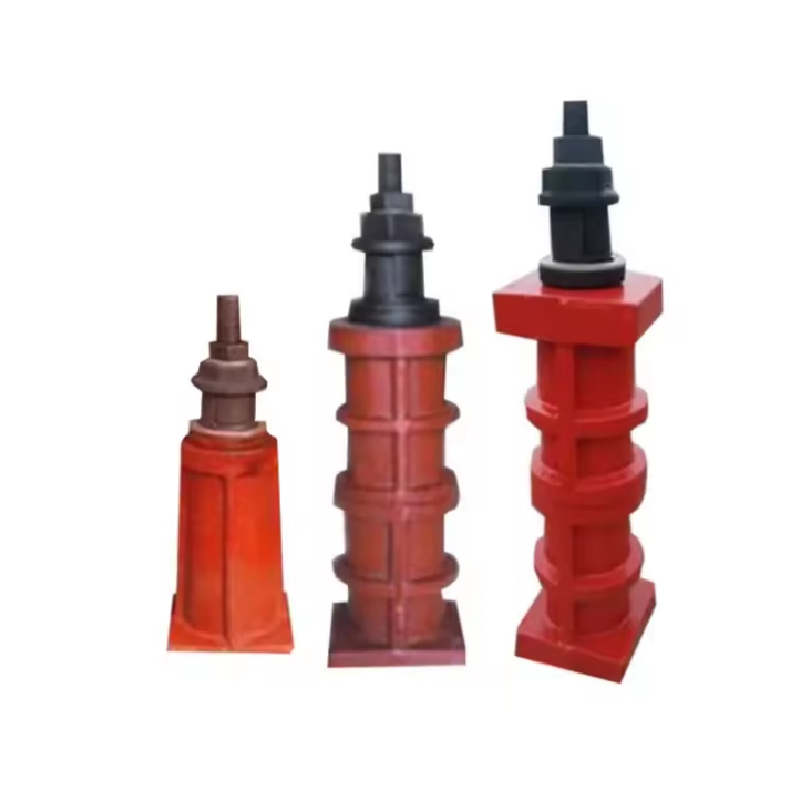
Válvula borboleta de 14 polegadas
Válvula Borboleta de 14 Polegadas Importância e Aplicações A válvula borboleta é um dispositivo de c
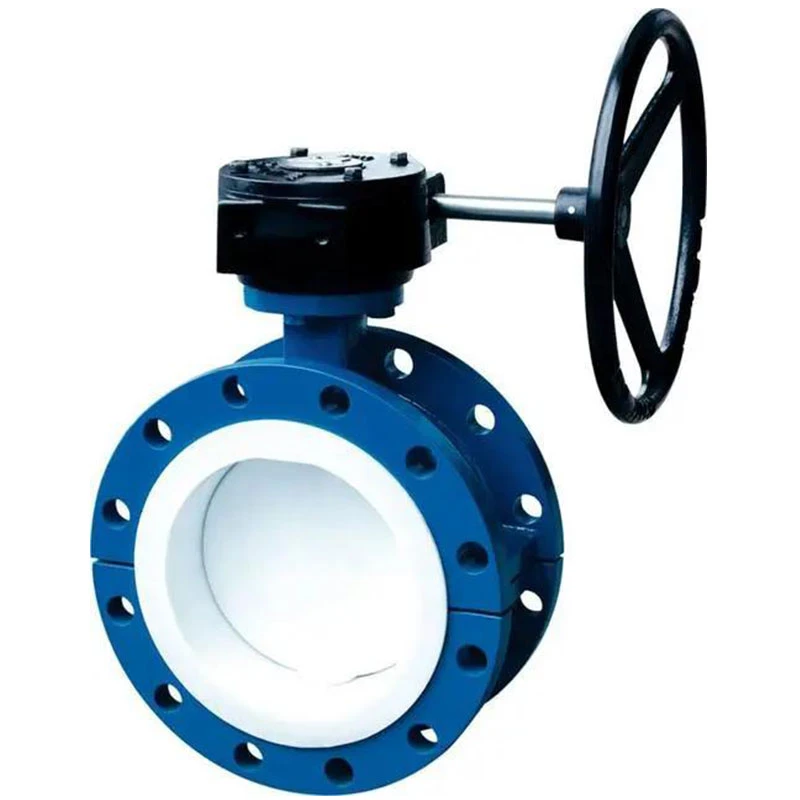
Welding Tables_ The Essential Tool for Precision and Durability
A welding table is a must-have for anyone involved in metalworking or fabrication. When it comes to

Vendita di gauge a spina di alta qualità disponibile online
Misuratori a Pugno in Vendita La Scelta Ideale per Ogni Professionista I misuratori a pugno, noti an
 English